Trading the chaotic noise and relentless concrete of the city for the serene, wide-open spaces of the country is a dream for many. Embracing a rural lifestyle offers unparalleled peace, deep personal freedom, and a tangible connection to nature that simply cannot be found within city limits. Beyond the emotional and mental benefits, moving off the grid or into a remote farmhouse often presents immense financial savings. Property taxes are frequently lower, the ability to grow your own food reduces grocery bills, and the overarching culture of country living naturally encourages a highly frugal, self-sufficient mindset.
However, the core challenge of country living becomes apparent the moment something inevitably breaks: the reality that property maintenance falls entirely on your own shoulders. Frugal rural living does not mean ignoring problems until they become catastrophic; it means anticipating seasonal shifts, managing your resources wisely, and knowing exactly how to handle your independent utility systems safely and efficiently.
Inspect and Fortify Your Home’s Exterior Defenses

Focusing on weatherproofing the top of your house is the most critical first step against severe, unpredictable rural storms. Out in the open country, your home is frequently subjected to higher wind shears, heavier, drifting snow loads, and unimpeded torrential rains that can quickly degrade exterior materials. Keeping precipitation out of the structural framing is crucial to avoiding expensive rot, toxic mold blooms, and sudden structural failure. Because rural homes are often highly exposed to the elements, it is incredibly frugal to hire seasoned roofers for periodic, thorough inspections before a minor, hidden leak turns into a massive, catastrophic ceiling collapse. These professionals can safely scale steep, dangerous pitches, evaluate the integrity of aging flashing around stone chimneys, and replace missing shingles long before driving rain penetrates the vital attic space.
Beneath that protective exterior shell, interior climate efficiency is paramount, especially considering the high cost of heating or cooling a large, drafty farmhouse. Rural properties frequently rely on expensive delivered propane, heavy heating oil, or aging electric resistance heaters to survive brutal winters and sweltering summers. Bringing in experienced local HVAC services to properly clean the primary furnace, test the expansive ductwork for hidden leaks in the crawlspace, and install programmable smart thermostats will drastically minimize your monthly utility bills during extreme seasonal shifts. A system that struggles to push air through clogged filters or leaky ducts will run constantly, burning through your expensive winter fuel reserves at an alarming rate and completely destroying your frugal seasonal budget.
To maximize your exterior defenses and interior climate efficiency, implement these specific practices:
-
Clear away all overhanging tree branches that scrape against your shingles, as these limbs can easily punch holes through the decking during severe summer thunderstorms or heavy winter ice accumulations.
-
Inspect your attic insulation levels annually; adding blown-in fiberglass or cellulose is a relatively cheap upgrade that dramatically traps internal heat, lowering the immense burden on your mechanical heating equipment.
-
Clean out all gutters and downspouts twice a year to ensure heavy rainwater is directed far away from your foundation, preventing severe basement flooding and dangerous soil erosion.
Maintain Independent Water and Sanitation Systems
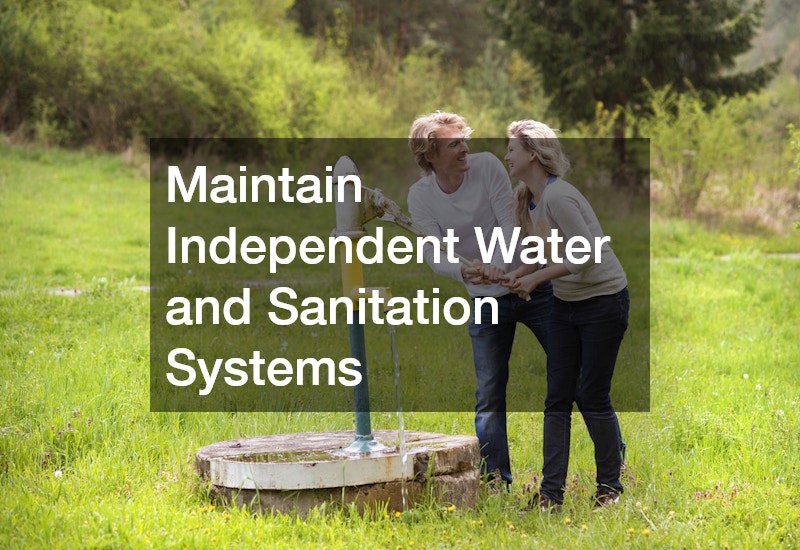
The absolute necessity of maintaining underground, independent water sources cannot be overstated when living beyond the reach of municipal utility lines. Without city water flowing freely to your taps, daily life relies heavily on complex, subterranean mechanical equipment that pumps groundwater directly from a deep aquifer into your home. Scheduling a proactive well pump service check prevents sudden, terrifying dry spells and the massive financial costs associated with emergency, weekend-rate replacements. These specialized technicians can accurately test your home’s water pressure tank, evaluate the electrical draw of the submersible motor, and identify subtle mechanical wear and tear long before the entire system suddenly burns out during a severe summer drought.
Equally vital to your daily rural survival is addressing the unglamorous, often ignored realities of off-grid wastewater management. Rural sanitation requires the careful, consistent monitoring of large, underground concrete holding tanks and expansive subterranean leech fields that naturally filter biological waste back into the surrounding soil. Paying a dependable septic pumping company to clear the heavy sludge from your system every three to five years guarantees you will never have to deal with a catastrophic, highly unsanitary yard sewage backup. Failing to pump these tanks allows solid waste to flow outward into the delicate leech field pipes, permanently clogging the soil and necessitating a complete, devastatingly expensive total system replacement that can easily cost tens of thousands of dollars.
To protect your independent water and sanitation infrastructure, follow these crucial daily guidelines:
-
Never flush anything other than designated, biodegradable toilet paper; items like heavy paper towels, hygiene products, and supposedly “flushable” wipes will instantly clog the delicate subterranean baffles.
-
Avoid pouring harsh, industrial chemical drain cleaners, heavy bleach, or leftover liquid antibiotics down your sinks, as these substances completely destroy the essential, waste-eating bacteria living inside your holding tank.
-
Monitor your indoor water pressure closely; if your faucets begin aggressively sputtering air or the basement pressure switch clicks on and off constantly, call for mechanical assistance immediately.
Mitigate High-Risk Electrical and Fire Hazards
The hidden dangers of outdated, aging power grids and amateur, unregulated solar energy setups in older barns and farmhouses represent a massive threat to any frugal homestead. Many historic rural properties still contain heavily degraded knob-and-tube wiring, dangerous aluminum circuits, or improperly grounded subpanels that were haphazardly installed decades ago by previous, well-meaning owners. Because faulty wiring carries massive, life-threatening safety risks, utilizing certified electrical technicians ensures your rural power setup meets stringent, modern safety standards without risking a devastating electrical fire. These licensed experts can safely upgrade your main breaker panel to handle modern heavy appliances, properly ground your sensitive well equipment against frequent rural lightning strikes, and safely integrate any backup generators you rely on during severe winter blizzards.
Addressing these electrical hazards goes hand-in-hand with facing the frightening, stark reality of delayed emergency response times from rural, highly dispersed volunteer fire departments. Out in the deep country, the unfortunate truth is that a small, manageable spark can easily turn into a total, devastating property loss long before heavy fire trucks can navigate miles of winding dirt roads to reach you. Keeping up with professional fire extinguisher services guarantees your vital, on-site suppression equipment will function flawlessly and immediately during a critical, high-stress moment. Regular professional inspections ensure the internal chemical dry powder has not settled into a solid block, the pressurized gauges remain entirely accurate, and you have the correct class of suppressors stationed near the kitchen, the workshop, and the livestock barns.
Keep your property safe from devastating electrical and fire emergencies by adhering to these strict rules:
-
Clearly label every single switch in your main electrical breaker box so you can instantly and accurately kill the power to specific, problematic areas during an active emergency.
-
Establish a defensible fire perimeter by clearing away all dead, dry brush, tall weeds, and highly flammable debris at least thirty feet outward from all major residential structures.
-
Clean your wood stove chimneys and heavy brick flues at the beginning and end of every heating season to eliminate the dangerous buildup of highly combustible creosote.
Streamline Heavy Transport and Clutter Eradication

Navigating the unique, challenging logistics of transporting heavy construction materials, massive antique furniture, or large farming equipment down rough, heavily rutted dirt roads is a common rural headache. Attempting to haul a massive, thousand-pound gun safe or a cast-iron wood stove in the back of a standard consumer pickup truck can easily destroy the vehicle’s rear suspension or cause a dangerous highway blowout. Utilizing experienced moving services for the heaviest, most difficult rural transitions ultimately prevents severe, irreversible damage to your personal vehicles and saves homeowners from incredibly expensive medical bills related to blown spinal discs or torn shoulder muscles. These professionals possess the heavy-duty box trucks, powered hydraulic lift gates, and specialized strapping equipment necessary to safely navigate miles of rough, washboard gravel roads without shattering your most valuable possessions.
Once you are fully settled into country living, you must inevitably deal with the slow, insidious accumulation of barn and acreage clutter that builds up over the years. Piles of old, rusted barbed wire fencing, completely broken farming tools, and abandoned, hollowed-out appliances can quickly turn a beautiful, rolling green pasture into an unsightly, dangerous hazard. Making a simple call for local junk removal is by far the easiest, most efficient way to keep the homestead visually clean and prevent dangerous heavy metal contaminants from quietly leaching deep into your rich soil. Clearing out dilapidated outbuildings and overgrown scrap piles also removes the prime, undisturbed hiding spots where dangerous venomous snakes, aggressive wasps, and destructive rodents prefer to build their nests.
Maintain a clear, highly functional, and visually appealing property by practicing these organizational habits:
-
Designate one specific, hidden corner of the property for temporary scrap metal storage, and immediately haul it away for recycling cash the moment the pile grows larger than a standard truck bed.
-
Conduct a ruthless, comprehensive purge of your barns and outdoor sheds every single spring, discarding or donating any tools, leftover materials, or equipment you have not actively used in the past two years.
-
Store all heavy, expensive motorized equipment, like riding lawnmowers and gas-powered chainsaws, inside a dry, locked shed to protect the sensitive carburetors from harsh moisture and deter rural theft.
Defend the Property from Pests and Manage Major Debris

A constant reality of living surrounded by deep woods and open fields is dealing with country critters aggressively seeking shelter inside your warm home during the changing, colder seasons. Skunks burrowing beneath the front porch, raccoons tearing into the attic vents, or massive colonies of bats taking up residence in the chimney can cause thousands of dollars in hidden structural damage. Bringing in a humane wildlife removal company safely and effectively evicts these unwanted, destructive guests before they completely destroy your expensive fiberglass attic insulation, chew aggressively through vital electrical wiring, or introduce dangerous zoonotic diseases into your living space. These seasoned professionals utilize specialized one-way exclusion doors and heavy-duty steel mesh to ensure that once the animals naturally leave the structure to forage for food, they are permanently locked out of your house forever.
Managing the large-scale debris generated by repairing this animal damage, or by undertaking major property improvements like tearing down a dilapidated, rotting chicken coop, presents another massive logistical hurdle. In remote areas where regular, automated municipal trash pickup is completely non-existent, getting rid of heavy construction waste requires significant logistical planning and heavy lifting. Securing large local dumpster rentals allows property owners to safely, legally, and easily consolidate massive amounts of sharp, heavy construction waste without creating dangerous, unsightly debris piles in the front yard. Having a massive steel container dropped off directly on your property allows you to maintain a safe, clean working environment during a major demolition, preventing loose, rusty nails and jagged wood splinters from permanently injuring your family, your pets, or your valuable livestock.
Defend your rural structures from nature’s relentless encroachment by utilizing these proactive strategies:
-
Walk the entire exterior perimeter of your home every autumn, filling any foundation cracks, gaps around plumbing pipes, or chewed siding holes with heavy steel wool and expanding foam to block mice.
-
Store all bulk animal feed, sweet grains, and wild bird seed inside heavy-duty, galvanized steel garbage cans with tightly secured, locking lids to eliminate the powerful food odors that constantly attract rodents and bears.
-
Cap all exterior chimneys and exposed ventilation pipes with heavy, spark-arresting metal screens to prevent opportunistic birds and raccoons from climbing down into the flue to build flammable nests.
When you choose to live miles away from the convenience of hardware stores and municipal utility grids, your home’s infrastructure requires a much higher level of daily awareness and respect. By keeping a remarkably close eye on the physical structure of your house and the vital, independent mechanical systems buried beneath the dirt, you actively protect your long-term financial investment and your daily peace of mind. Frugality in the country is not about cutting dangerous corners or ignoring pressing issues to save a quick dollar today; it is about spending your hard-earned money wisely on preventative maintenance so you never have to face a devastating, incredibly expensive emergency tomorrow. Ultimately, a successful, frugal country home thrives on smart, calculated decisions, consistent, loving upkeep, and a deep, abiding respect for the remote, breathtaking environment that constantly surrounds it.