Welcome to your comprehensive guide on HVAC systems. In this article, we’ll explore the different options available, helping you make informed decisions for your home or business.
1. What are the Different Types of HVAC Systems?
There are several different types of HVAC systems available, each designed to meet specific needs and preferences. The most common ones include split systems, hybrid systems, ductless systems, and packaged heating and air systems.
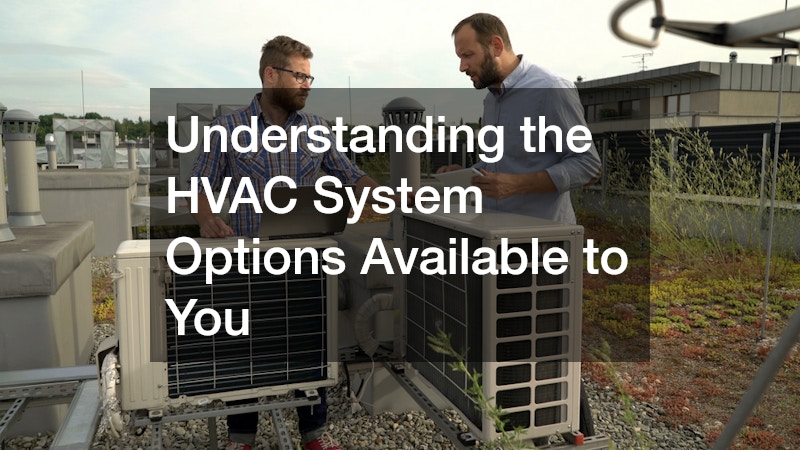
Split systems, often found in residences, consist of both an indoor and outdoor unit and provide comprehensive heating and cooling solutions. Hybrid systems, on the other hand, are energy-efficient options that combine the benefits of both electric and traditional fuel sources. Ductless systems offer unique advantages for homes without ductwork, using indoor units directly connected to an outdoor compressor.
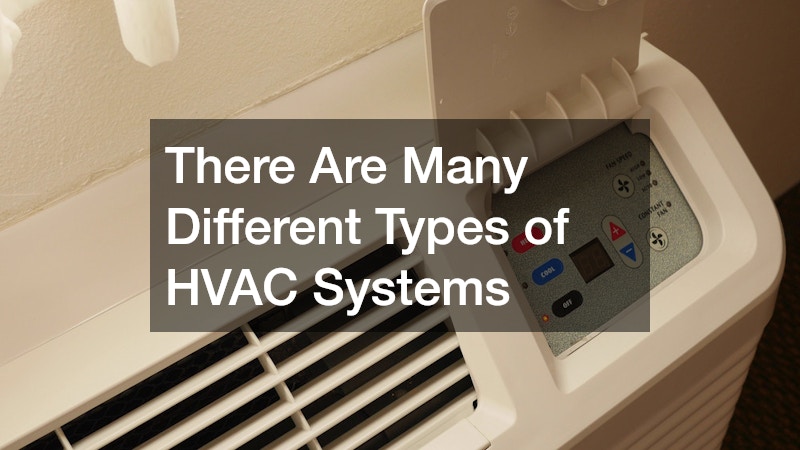
Packaged heating and air systems are frequently used in small commercial buildings due to their compact design and ability to provide both heating and cooling from a single unit. These systems contain the essential components within a single cabinet, making them ideal for spaces with limited indoor area where all parts must be enclosed. When selecting a system, it’s vital to consider the size of your home or facility and the specific climate in your region. Each type of system has its benefits, and your choice should align closely with your personal needs and the design of your property. Understanding these systems’ basic operation will empower you to make the most informed purchase decision possible.
Each type of HVAC system has its unique advantages and potential drawbacks, impacting performance, efficiency, and cost. For instance, split systems offer exceptional temperature control but require extensive installation involving ductwork, potentially increasing the setup cost. Conversely, ductless systems offer flexibility and cost savings regarding installation, but they may not provide adequate coverage for large homes or buildings. Hybrid systems are celebrated for their energy efficiency, being particularly effective in regions with fluctuating climates, but the initial cost can be higher than conventional units. Weighing the pros and cons of each system will ensure you select a unit that delivers optimal comfort and functionality for your space.
2. How Do You Choose the Right HVAC System?
Selecting the right HVAC system for your needs involves considering several critical factors. First, assess the size of the space you’re looking to heat or cool, as this will directly influence the system’s capacity that you require. A unit that’s too small will battle to achieve the desired temperature, leading to increased energy consumption and costs. Conversely, a unit that’s too large will cycle on and off frequently, wearing out components more quickly and resulting in uneven temperature control. Consulting with an HVAC professional can provide valuable insights into sizing considerations and help you avoid costly mistakes.
Your climate zone and the resulting demands it places on HVAC systems are also essential factors in your selection process. In milder climates, a system that offers simple, cost-effective cooling and heating may be sufficient. However, for more extreme climates, particularly those with very cold winters or hot summers, a system with advanced efficiency and performance features may be necessary. Energy efficiency also plays a significant role in determining which system is best for you, as systems with higher efficiency ratings can significantly reduce electricity bills over their lifespan. Various certifications and efficiency ratings are available, such as the Seasonal Energy Efficiency Ratio (SEER), which will guide you further in identifying high-performing systems.
Budget considerations are always pertinent when selecting an HVAC system, balancing upfront costs against long-term savings. While it might be tempting to opt for the least expensive option available, cheaper systems can often become more costly due to increased maintenance needs and higher operating costs. Investing in energy-efficient models – which might initially be more expensive – can result in substantial savings over time through reduced energy bills and maintenance requirements. Furthermore, modern systems with smart technologies like programmable thermostats and remote control capabilities can provide significant convenience and further energy savings. Prioritizing quality and energy efficiency in your decision will yield the best results.
3. What are the Benefits of Getting a New HVAC System?
A new HVAC system can offer increased energy efficiency, leading to lower utility bills and a reduced carbon footprint. With advancing technology, today’s HVAC systems are far more energy-efficient than those from even a decade ago. Newer models are designed to use less energy while providing the highest levels of comfort, thanks to improved components and innovative technologies like variable-speed motors and smart thermostats. These advancements ensure your home remains comfortable year-round while minimizing energy consumption. By replacing an old system with a modern one, you can significantly enhance your home’s energy profile.
Aside from efficiency, a modern HVAC system often improves indoor air quality – an essential component for a healthy home environment. Advanced filtration systems found in newer models can reduce contaminants such as dust, pollen, and bacteria, leading to cleaner, healthier air. This is particularly beneficial for those with allergies or respiratory issues, as well as for homes located in areas with poor air quality. Improved air quality contributes not only to occupant well-being but also to the preservation of furniture and interiors, as less dust collects over time. Consequently, a new HVAC system can be a worthwhile investment for both health and maintenance reasons.
Additionally, upgrading to a modern HVAC system can substantially increase the value of your property. Prospective buyers or renters often prioritize homes with updated and efficient heating and cooling systems. An investment in a new, high-performing system demonstrates a commitment to maintenance and modernization, which can be very attractive in the housing market. Furthermore, many new HVAC installations come with extended warranties and service plans, providing peace of mind and ensuring continued performance over time. By investing in a new system, homeowners benefit not only now, in comfort and savings, but also in the future, through increased property value and resale potential.
4. How to Maintain Your HVAC System for Longevity?
Proper maintenance of your HVAC system is critical to its longevity and efficiency. Routine maintenance tasks include changing or cleaning filters every few months, checking for leaks or signs of rust, and ensuring that the outdoor unit is free from debris. Filters play a significant role in air quality and system performance, so keeping them clean is vital. Regularly scheduled professional maintenance is equally important, as service technicians can identify and resolve issues before they cause system failures. Such maintenance not only extends the life of your system but also improves its performance and efficiency.
In addition to regular cleaning, it is also essential to have your system examined and serviced by an HVAC professional annually. During these check-ups, technicians will inspect crucial components like the blower, heat exchanger, and coils to ensure they are in good working order. Technicians will also measure refrigerant levels, calibrate thermostats, and check for proper airflow. An annual HVAC inspection can reveal underlying issues that, if left unattended, might lead to costly repairs or complete system breakdowns. Preventative maintenance is an investment that pays off by avoiding more significant expenses down the road.
Understanding your system’s unique features and requirements is crucial to its upkeep. Many modern HVAC systems include technology that alerts homeowners when maintenance is due, making it easier to stay on top of these needs. Alongside professional service, ensuring that your system’s various parts are well taken care of – such as removing obstructions from air vents and ensuring the thermostat functions correctly – enables it to perform at its best. The implementation of simple yet consistent maintenance practices can extend the life of your system by several years. By prioritizing regular care, you can enjoy reliable and efficient HVAC service long into the future.
5. What are Common Issues with HVAC Systems and How Can They Be Addressed?
Despite their essential role, HVAC systems can encounter several common issues over time, affecting their performance and efficiency. One frequent problem is poor airflow, which can result from clogged air filters, blockages in the ductwork, or a malfunctioning blower fan. It’s essential to ensure that air filters are cleaned or replaced regularly and that ductwork is inspected for any possible blockages or leaks. Addressing poor airflow promptly can help maintain comfortable temperatures and reduce strain on the system. Regular maintenance can prevent many of these issues and keep the system operating smoothly.
A malfunctioning thermostat can also lead to inefficient system operation and uneven temperatures throughout the space. Sometimes, this issue can be solved easily by recalibrating or replacing batteries, while other times it might require the expertise of a technician. A more complex problem often faced by HVAC systems is refrigerant leaks, which can severely impact system efficiency and cooling capability. Leaks must be handled professionally, as refrigerants can be harmful to both humans and the environment. Detecting and repairing leaks promptly ensures the system remains effective and eco-friendly.
Noises from the HVAC system can be disruptive and often indicate underlying issues such as loose components or debris within the unit. Rattling, banging, or squealing sounds shouldn’t be ignored, as they can signify problems that might worsen over time if not addressed. Regular inspections and tune-ups are highly effective in identifying and mitigating these risks. Many common HVAC issues stem from a lack of maintenance, emphasizing the importance of regular check-ups. Ensuring prompt attention to these issues can prevent more extensive damage, ensuring the longevity and reliability of your HVAC system.
Understanding HVAC systems is crucial for getting the best performance and value from your investment. By selecting the right system, maintaining it effectively, and addressing any issues promptly, you can ensure comfort and efficiency in your space for years to come.