Understanding the cost of pest control services involves considering various factors that influence prices, helping homeowners and business owners make informed decisions. Pest control ensures a healthy environment but varies in cost due to factors like pest type and location. This guide aims to provide insights for better decision-making.
What Factors Affect the Cost of Pest Control Services?
Type of Pest
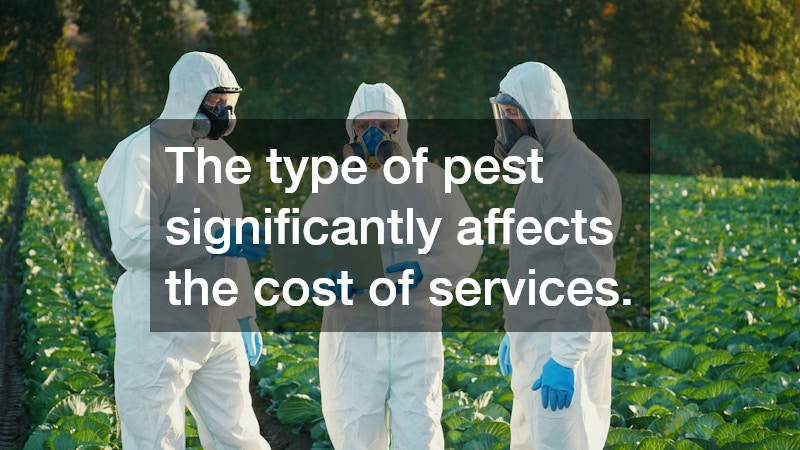
The type of pest significantly affects the cost of services. Different pests need unique treatments, with complexity influencing cost.
For example, termites might require sophisticated techniques compared to ants. More persistent pests often need specialized equipment, increasing costs. Proper identification and treatment prevent increased costs without results.
Severity of Infestation
Infestation severity plays a crucial role in cost. Minor issues might need one treatment, while severe infestations require multiple. Large-scale invasions increase labor and resource needs. Assessing severity helps develop a cost-effective action plan, avoiding unnecessary treatments.
Size of the Property
Property size impacts cost due to increased labor and product needs for larger spaces. Professionals often adjust rates based on square footage, ensuring effective resource allocation without resource waste.
Type of Treatment Used
Treatment type affects costs, with traditional methods generally cheaper initially compared to eco-friendly methods, which offer long-term benefits. Professionals decide on methods based on pests, severity, and property specifics, balancing immediate costs with long-term benefits.
Geographical Location
Geographical location impacts cost due to regional pest prevalence, climate, and regulation variations. Local challenges affect the cost and type of services, and customers should consider how location influences service options.
How Often Should Pest Control Be Done?
Recommended Frequency for Homes
For homes, pest control frequency depends on the situation, but quarterly inspections and treatments are advisable to prevent infestations. Regular checks enable early pest threat detection and cost-effective management.
Commercial Pest Control Needs
Commercial spaces often need frequent inspections due to size and exposure. Industries like restaurants and hotels might need monthly services. Effective pest management aligns with operational needs and health regulations.
Seasonal Considerations
Seasonal changes influence pest activity, affecting control frequency. Tailored plans address these changes, ensuring readiness ahead of peak pest seasons.
Signs You Need Additional Control
Signs like frequent pest sightings or property damage indicate the need for additional control measures. Addressing these early prevents costlier treatments.
Annual vs. One-time Treatments
Annual treatments offer stable costs and long-term protection, while one-time treatments might seem cheaper but are less reliable against recurring issues. Consider property needs and budget when deciding.
What Should be Included in a Pest Control Service Contract?
Scope of Services
Contracts should detail covered treatments and pest types, ensuring clarity on services and preventing unforeseen costs. Review carefully before proceeding.
Pricing and Payment Terms
Understanding contract pricing and payment terms ensures balance between cost and service quality, providing transparent financial expectations.
Service Guarantees and Warranties
Guarantees and warranties offer quality assurance, with terms for return treatments and retreatment options included in contracts. It’s essential to review these carefully to ensure you understand your rights and the coverage provided by the service provider.
Safety and Environmental Considerations
Contracts should address safety and eco-friendly practices, aligning with modern concerns for health and sustainability. These considerations not only protect the environment but also promote community well-being.
Cancellation and Renewal Policies
Understanding cancellation and renewal terms offers flexibility and ensures service continuity or adaptability to changing needs. Reviewing these policies can help you avoid unexpected fees or obligations.
What Are the Long-term Benefits of Regular Pest Control?
Prevention of Infestations
Regular pest control prevents infestations, maintaining minimal pest presence through routine monitoring and early detection.
It ensures a proactive approach, addressing potential threats before they escalate into more significant issues.
Protection of Health and Safety
Consistent pest management mitigates health risks associated with pest-borne diseases, promoting safe environments.
This practice significantly reduces exposure to allergens and pathogens that pests often carry.
Preservation of Property
Regular interventions protect property by preventing structural damage, maintaining value, and reducing repair needs.
Timely pest control measures help in identifying and addressing infestations that could lead to costly damages if left unchecked.
Cost Savings Over Time
Preventive pest management minimizes emergency expenses, with long-term savings from avoiding severe treatments.
Investing in regular pest inspections ensures financial efficiency by preventing unexpected and potentially large expenditure.
Peace of Mind
Regular pest control ensures peace of mind, freeing concerns about potential infestations and allowing focus on other pursuits.
Understanding pest control costs involves evaluating specific needs and benefits for effective management and cost-efficiency.