
As temperatures drop, homeowners often notice a range of maintenance challenges that can disrupt daily life and lead to costly repairs if ignored. Winter introduces a unique combination of weather-related damage and cold-season issues that are easy to overlook until they become urgent. From plumbing issues to outdoor structures, every home has vulnerable areas that require attention during the colder months.
Understanding these common winter problems helps homeowners take preventive action, plan repairs, and avoid emergencies. While some issues are caused by snow, ice, or freezing temperatures, others appear simply because of the seasonal shift, such as increased use of heating systems or condensation problems. By addressing these challenges proactively, homeowners can ensure their property remains safe, comfortable, and efficient throughout winter.
Below, we explore 11 maintenance challenges that frequently appear in winter, highlighting both common problems and those that may be overlooked until they become urgent. For each challenge, we provide practical insights on how to manage or prevent issues, including tips for inspection, preventive maintenance, and when to call in professionals. Understanding these challenges in advance allows homeowners to protect their property, avoid costly repairs, and maintain a safe, comfortable living environment throughout the coldest months of the year. By following these recommendations, families can stay prepared for winter’s unique demands and ensure their home remains functional and well-maintained all season long.
1. Hot Water Trouble
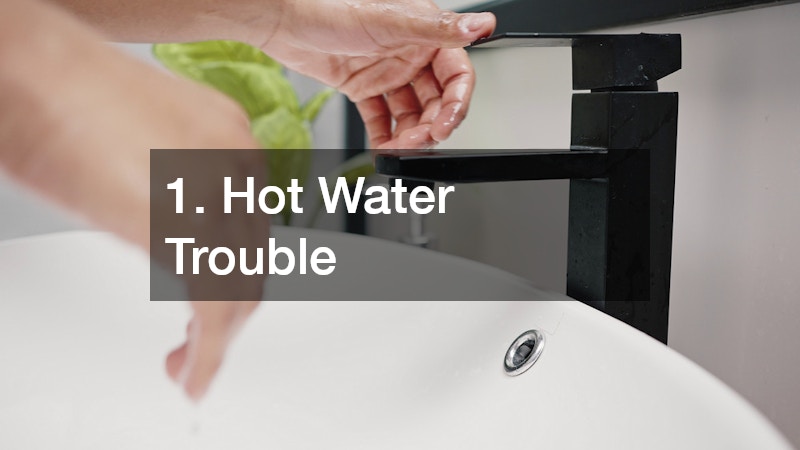
Water heaters often face extra strain during winter, as colder temperatures lead to increased usage and pressure on the system. Leaks can appear due to worn valves, corrosion, or sediment buildup. A small drip may seem minor at first, but it can escalate quickly, potentially causing water damage, higher utility bills, or even system failure.
Homeowners should inspect their water heater regularly during winter, checking for signs of moisture, rust, or unusual noises. Timely attention to a water heater leaking can prevent major disruptions, especially during the coldest months when access to hot water is critical. Many people schedule professional inspections from plumbing experts to ensure the system functions safely and efficiently.
Preventive maintenance, such as draining the tank to remove sediment or testing pressure relief valves, can reduce the likelihood of leaks. For households with older water heaters, winter may be the ideal time to consider replacement, as demand on the system is at its peak, and any failure can be highly inconvenient.
2. Winter Pool Problems
Even though pools are less frequently used in winter, neglect can lead to significant problems. Cold temperatures can cause pipes to freeze, pumps to fail, or pool surfaces to crack. Pool repair companies often see an uptick in winter calls because owners have delayed closing maintenance or skipped essential checks.
Proper winter pool care involves draining certain systems, adding antifreeze to lines, and protecting pumps and filters. Pool repair companies can assess winterization measures and make adjustments to prevent damage. Ignoring minor issues during the off-season can turn into costly repairs when spring arrives.
Winter also provides an opportunity for inspection and planning upgrades. Homeowners can schedule preventive work with pool repair companies to replace worn components, repair leaks, or install covers that protect the pool throughout the season. Staying proactive ensures that the pool remains safe, functional, and ready for use once warmer weather returns.
3. Garage Door Issues
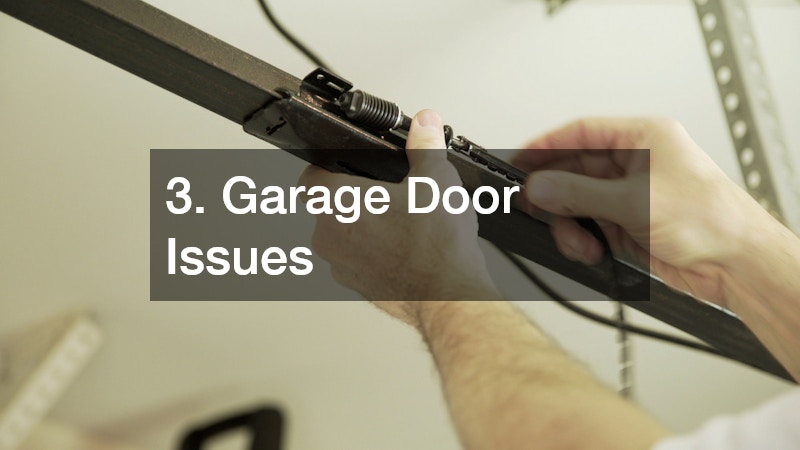
Cold weather can cause garage doors to operate less smoothly. Metal components may contract, lubricants can thicken, and moving parts may become stiff, leading to jams or misalignment. Frozen tracks and worn springs are also common issues during winter, creating safety hazards if the door fails to open or close properly.
Regular inspection of garage doors in winter is crucial. Homeowners should check the tracks, hinges, rollers, and weatherstripping for signs of wear or obstruction. Garage door repairs can include lubricating moving parts, replacing broken springs, or adjusting the alignment of the door. Ignoring these issues can result in complete door failure, leaving vehicles exposed to the elements or reducing home security.
For families, a malfunctioning garage door can disrupt daily routines, from school drop-offs to work commutes. Consulting a professional for garage door repairs ensures the system is safe and reliable. Preventive maintenance before the coldest months can prevent emergency callouts and costly replacements later in the season.
4. Retaining Wall Weaknesses
Retaining walls can face serious stress during winter due to freeze-thaw cycles, heavy snowfall, and water saturation. Cracks or shifts may appear, threatening structural integrity and creating safety hazards around the property. Retaining wall repairs are often urgent in winter because water from snow or ice can infiltrate cracks and worsen damage.
Homeowners should monitor walls for visible cracks, leaning sections, or bulging areas. Timely intervention from professionals can prevent minor issues from turning into major failures. Retaining wall repairs may involve stabilizing the soil, reinforcing structures, or replacing damaged blocks.
Preventive measures, such as proper drainage installation, help reduce winter stress on retaining walls. Families living on sloped terrain should pay special attention to these structures during the colder months, as added water weight and freeze-thaw expansion can exacerbate existing weaknesses. Addressing retaining wall issues early ensures both safety and property value are maintained.
5. Generator Issues
Generators are crucial during winter power outages, which are more common due to storms, snow, or ice accumulation on power lines. Cold weather can expose hidden problems, including fuel line blockages, battery failure, or worn-out components. Regular generator repair and maintenance ensure that the system is reliable when it’s needed most.
Homeowners should test their generators before the coldest months, checking oil levels, filters, and battery charge. Scheduling professional generator repair during winter can prevent breakdowns during emergencies and provide peace of mind for families relying on supplemental power.
Even a minor issue can render a generator inoperable in freezing temperatures, leaving households vulnerable. Preventive maintenance, such as cleaning components and inspecting fuel lines, is essential. A well-maintained generator can protect your home from the inconveniences and hazards associated with winter power interruptions.
6. Heating System Headaches
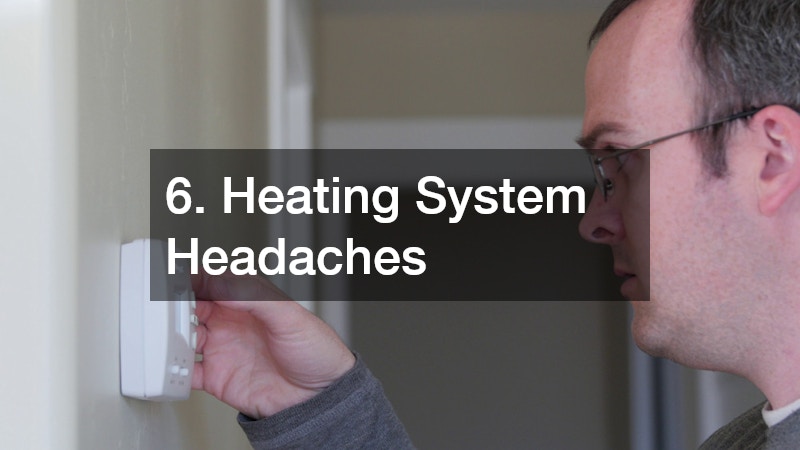
Heating systems face their highest demand in winter. Problems can range from clogged filters and malfunctioning thermostats to more serious breakdowns requiring heating companies’ intervention. Regular inspection and maintenance can prevent complete system failure during the coldest periods.
Working with heating companies ensures that furnaces, boilers, or heat pumps are operating efficiently and safely. They can identify potential hazards such as carbon monoxide leaks, uneven heating, or worn components. Families benefit from both comfort and energy savings when heating systems are properly maintained.
Simple maintenance steps include replacing filters, cleaning vents, and checking for unusual noises or odors. Early detection of issues reduces the likelihood of emergency repairs, which are often more expensive and inconvenient in peak winter months. Properly maintained heating systems provide consistent warmth and protect the home from cold-weather damage.
7. Foundation and Concrete Concerns
Winter can exacerbate existing foundation problems due to soil contraction from freezing temperatures and water infiltration. Cracks may expand, basements can experience leaks, and structural shifts become more apparent. Foundation repair is critical to maintaining the overall integrity of a home.
Homeowners should inspect basements and crawl spaces for water intrusion, bowing walls, or cracks. Professional foundation repair services can assess and fix these issues before they escalate. Repairs might include underpinning, wall reinforcement, or crack sealing.
Preventive measures, such as maintaining proper drainage around the home, help mitigate winter stress on foundations. Ignoring minor foundation issues in winter can lead to severe structural damage, costly repairs, and safety concerns. Addressing problems early ensures that homes remain safe and stable throughout the season.
8. Roof Emergencies
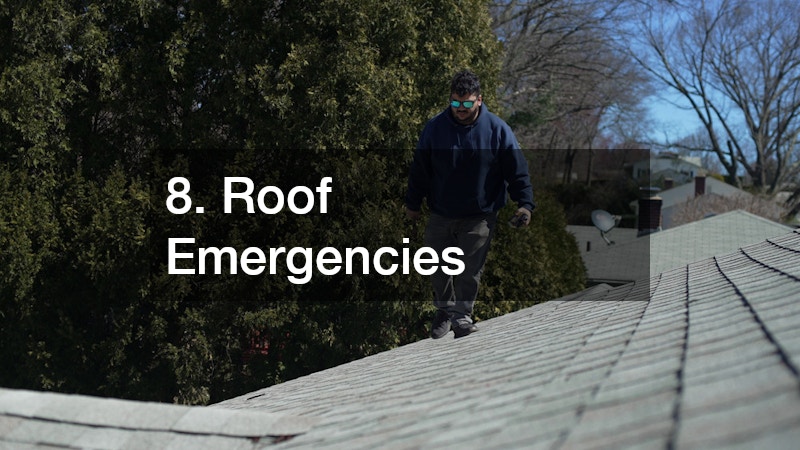
Roofs take a heavy toll during winter due to snow accumulation, ice dams, and freezing temperatures. Even minor issues like loose shingles can worsen and lead to leaks or water damage inside the home. Roofers frequently receive calls during winter for both emergency repairs and preventative maintenance.
Homeowners should inspect roofs before heavy snowfall, checking for missing shingles, cracks, or clogged gutters. Timely repairs can prevent water from seeping into attics or walls, protecting insulation and structural elements. Roofers can also install protective measures, such as ice dam prevention systems, to reduce winter-related damage.
Regular inspections, cleaning debris, and securing weak areas are essential. Roof maintenance in winter protects the home from leaks, interior damage, and costly repairs, ensuring the property remains safe and weather-resistant.
9. Chimney Trouble
Chimneys are heavily used in winter for heating and fireplaces, and problems can appear suddenly. Creosote buildup, cracks, or blocked flues can pose fire hazards or reduce efficiency. Chimney repair is essential to prevent accidents and maintain safe operation.
Homeowners should schedule inspections before using fireplaces extensively. Professional chimney repair services can clean flues, repair cracks, and ensure proper ventilation. Addressing minor issues early can prevent dangerous situations and costly repairs later.
Winter use also exposes chimneys to moisture from snow and ice, which can worsen existing cracks or deteriorate masonry. Regular maintenance helps ensure safe, efficient heating and protects both the chimney and the home.
10. Fence Failures
Cold weather can affect fences, causing wood to contract, metal to rust, or panels to loosen. Winter storms, ice, and heavy snow can exacerbate weak points, leading to the need for repairs. A reliable fence company can address these issues and ensure fences remain secure and functional.
Homeowners should inspect fence posts, panels, and gates before and during winter. Preventive repairs, such as tightening hardware, treating wood, or repairing damaged sections, maintain security and curb appeal. Timely intervention reduces the likelihood of full replacements and keeps pets or children safe inside enclosed areas.
Even minor issues, like leaning posts or broken panels, can worsen in winter conditions. Coordinating with a fence company ensures repairs are done correctly, protecting property boundaries and enhancing durability through the season.
11. Basement Moisture and Water Issues
While not always obvious, basements are particularly vulnerable in winter. Cold temperatures, snowmelt, and ice accumulation can lead to a variety of water problems, including frozen or burst pipes, leaks from exterior walls, and condensation forming on cold surfaces. Even minor leaks can cause significant issues over time, promoting mold growth, structural damage, or deterioration of stored belongings. Items kept in basements—like holiday decorations, seasonal clothing, or furniture—can be especially at risk if moisture problems are not addressed promptly.
Homeowners should make it a habit to inspect basements regularly during the winter months. Look for damp spots on walls or floors, dripping water, musty odors, or visible water stains, as these can indicate developing leaks. Small signs often precede larger problems, so catching them early can save significant repair costs and prevent more extensive damage. Coordinating repairs with foundation repair specialists or plumbing professionals ensures that both minor leaks and more serious structural concerns are properly addressed. Professionals can identify issues that may not be obvious to the untrained eye, such as subtle cracks, shifting foundation sections, or hidden pipe vulnerabilities.
Preventive measures are essential to reducing winter moisture risks. Sealing cracks in walls and floors, insulating exposed pipes, and installing dehumidifiers or vapor barriers can significantly mitigate potential damage. Controlling indoor humidity and ensuring proper drainage around the home also helps prevent water from seeping into basement spaces. Proactive maintenance not only protects the home’s structural integrity but also keeps storage areas safe and usable, preserving valuable items. Winter often exposes hidden weaknesses in basements, making early intervention crucial.
Winter introduces a variety of maintenance challenges that affect every part of a home, from plumbing and heating to roofing, fencing, and outdoor structures. Being proactive and addressing issues early prevents emergencies, costly repairs, and disruptions during the cold months.
Working with professionals—whether roofers, heating companies, chimney repair experts, fence companies, pool repair companies, or foundation repair teams—ensures that maintenance is effective, safe, and long-lasting. Timely repairs for water heater leaking, garage door repairs, or generator repair keep homes functional and comfortable. Seasonal inspections and preventive measures, including retaining wall repairs, protect structures from freeze-thaw stress and water intrusion.
By understanding common winter challenges and taking preventive action, homeowners can maintain a safe, warm, and well-maintained property all season long. Regular inspections, timely repairs, and proactive maintenance help prevent small issues from escalating into costly emergencies. Whether it’s checking heating systems, addressing leaks, reinforcing structures, or preparing outdoor spaces, staying ahead of potential problems ensures comfort and safety for the whole family.