Your roof is one of the most important parts of your home. It protects everything underneath it—from the structure of the building to the people living inside. Despite its importance, many homeowners do not think about their roof until a problem appears. A leak during a storm, missing shingles, or visible damage may suddenly remind homeowners that their roof requires attention.
Regular inspections, maintenance, and timely repairs help prevent small issues from becoming costly structural problems. Understanding how roofing systems work, recognizing early warning signs of damage, and knowing when to contact a professional can make a significant difference in protecting your home for years to come.
This guide explores common roofing problems, the importance of timely repairs, and the services offered by professionals who specialize in maintaining strong and reliable roofing systems.
Why Roof Maintenance Matters for Every Home
A roof does more than simply keep rain out of your house. It plays a crucial role in maintaining the overall integrity of the building. Roofing systems protect insulation, support proper ventilation, and help regulate indoor temperatures.
When a roof begins to deteriorate, several problems can occur:
- Water leaks that damage ceilings and walls
- Mold growth caused by trapped moisture
- Structural damage to the home’s framework
- Higher energy bills due to insulation loss
- Reduced property value
Because of these risks, homeowners should treat roofing maintenance as an essential part of protecting their investment.
Scheduling inspections with a qualified professional or hiring a reliable local roof repair service can help identify potential issues early and prevent costly repairs later.
Common Signs That Your Roof Needs Repair
Many roofing problems develop slowly over time. If homeowners know what to look for, they can address issues before they worsen.
Missing or Damaged Shingles
Shingles can crack, curl, or fall off due to wind, sun exposure, and aging materials. Missing shingles expose the underlying roof deck to moisture, which can lead to serious structural damage.
Water Stains on Ceilings
Interior water stains often indicate a leak in the roofing system. These stains typically appear as yellow or brown discoloration on ceilings or walls.
Sagging Roof Sections
A sagging roof may signal structural problems, including water damage or weakened support beams. This issue requires immediate attention from a roofing professional.
Granules in Gutters
As shingles age, they lose protective granules. When large amounts of granules collect in gutters or downspouts, it may indicate that the roof is nearing the end of its lifespan.
If you notice any of these warning signs, scheduling a professional roof repair inspection can help determine the best course of action.
The Importance of Prompt Roof Repairs
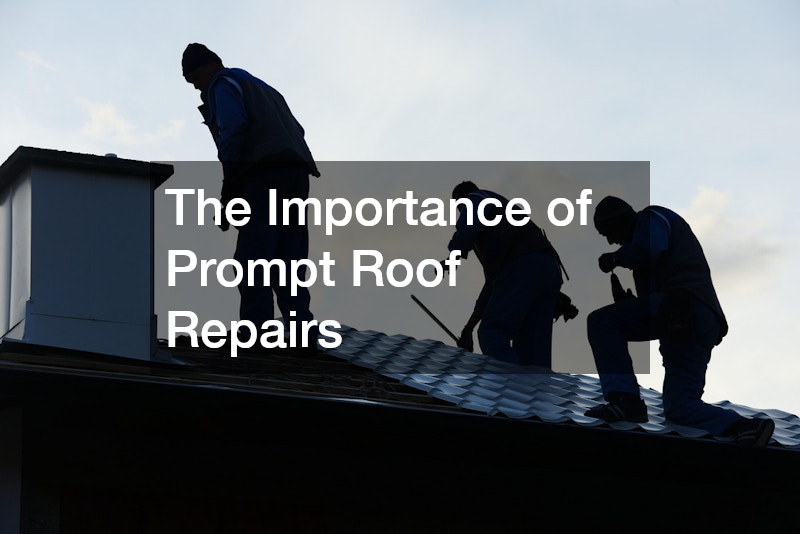
When roof damage occurs, delaying repairs can lead to more serious problems. Even minor leaks can quickly escalate into structural issues if water continues to penetrate the roofing system.
Prompt repairs provide several benefits:
- Preventing interior water damage
- Protecting insulation and ventilation systems
- Reducing the risk of mold growth
- Extending the life of the roof
Working with a professional roof repair service ensures that problems are addressed correctly and that repairs meet proper safety and building standards.
Types of Residential Roofing Systems
Homeowners may choose from several roofing materials, each offering different advantages in durability, cost, and appearance.
Asphalt Shingles
Asphalt shingles are the most common roofing material in North America. They are affordable, easy to install, and available in a variety of colors and styles.
Metal Roofing
Metal roofs are known for their durability and long lifespan. They can withstand extreme weather conditions and often last 40 to 70 years.
Tile Roofing
Clay and concrete tile roofs are popular in warmer climates. They offer excellent durability and distinctive architectural appeal.
Wood Shingles and Shakes
Wood roofing provides a natural and traditional appearance. However, it requires regular maintenance and may be more susceptible to fire or moisture damage.
No matter which material is used, regular inspections and professional roof repair services help ensure the roof continues performing as intended.
How Weather Affects Roofing Systems
Weather conditions are one of the leading causes of roof damage. Over time, exposure to environmental elements can weaken roofing materials.
Wind Damage
Strong winds may lift shingles, tear roofing materials, or expose underlayment layers.
Rain and Moisture
Heavy rainfall can penetrate damaged areas and cause interior leaks. Moisture trapped beneath shingles may also contribute to mold growth.
Snow and Ice
In colder climates, ice dams can form along roof edges. These ice barriers prevent melting snow from draining properly, allowing water to seep beneath shingles.
Sun Exposure
UV radiation gradually weakens roofing materials, causing them to dry out, crack, and deteriorate.
Homeowners in areas with harsh weather conditions should schedule routine inspections and maintenance through trusted roof repair services providers to keep their roofing systems in good condition.
The Role of Professional Roofing Inspections
Regular inspections are one of the best ways to identify roofing problems early. Professional inspectors evaluate every component of the roofing system, including:
- Shingles and roofing materials
- Flashing around vents and chimneys
- Gutters and drainage systems
- Roof decking and structural components
- Attic ventilation and insulation
These inspections help homeowners understand the current condition of their roof and determine whether repairs or replacements may be necessary.
Working with a qualified roof repair service can provide valuable insights into the health of your roofing system and help prevent future damage.
Choosing the Right Roofing Professional
Hiring a skilled roofing professional is essential for ensuring quality workmanship. Not all roofing companies provide the same level of experience, materials, or customer service.
When selecting a roofing provider, homeowners should consider several factors.
Licensing and Insurance
Roofing contractors should carry proper licensing and insurance coverage. This protects homeowners in the event of accidents or property damage during the project.
Experience and Reputation
Companies with a long history of completed projects often have a strong understanding of local building codes and weather conditions.
Clear Project Estimates
Reliable contractors provide detailed estimates outlining materials, labor, timelines, and costs.
Working with a reputable local roofing contractor ensures that repairs and installations are completed safely and efficiently.
Additional Roofing Components That Require Attention
Roofing systems involve more than just shingles. Several other components play important roles in protecting the home.
Flashing
Flashing is installed around chimneys, vents, and skylights to prevent water from entering gaps in the roofing structure.
Soffit and Fascia
Soffits and fascia boards support the edges of the roof and help maintain proper ventilation within the attic.
A professional roofing contractor may inspect these areas to ensure the roof’s ventilation system functions properly and prevents moisture buildup.
Gutters and Drainage Systems
Gutters direct water away from the roof and foundation. If gutters become clogged or damaged, water may accumulate on the roof surface and lead to leaks.
Routine cleaning and maintenance help keep drainage systems working effectively.
Improving Energy Efficiency with Roofing Solutions
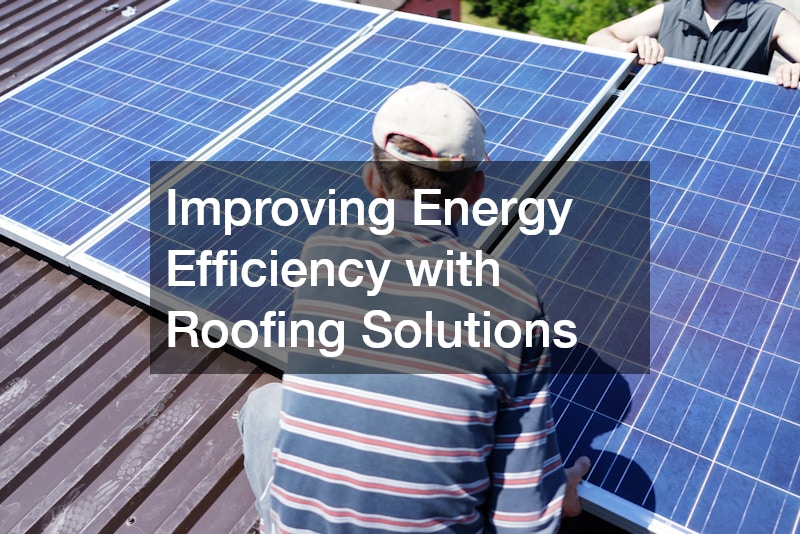
Roofing improvements can also contribute to greater energy efficiency inside the home. Proper insulation, ventilation, and roofing materials help regulate indoor temperatures and reduce heating and cooling costs.
Reflective roofing materials, for example, help reduce heat absorption during hot summer months. Proper attic ventilation prevents heat buildup that could damage roofing materials over time.
Another solution homeowners consider is installing home window film, which helps reduce solar heat gain and improve indoor comfort.
Combining roofing improvements with energy-efficient window solutions can significantly enhance the overall performance of a home.
Residential Roofing Installation and Replacement
While repairs can address many roofing problems, there may come a time when a full replacement becomes necessary. Roofs typically last between 20 and 50 years depending on materials, maintenance, and environmental conditions.
Signs that a roof may require replacement include:
- Extensive shingle damage
- Persistent leaks despite repairs
- Large sections of missing materials
- Structural deterioration
Professional residential roofing services help homeowners determine whether repairs are sufficient or whether a complete replacement is the better long-term solution.
During installation, contractors remove the existing roof, inspect the underlying deck, and install new materials designed to protect the home for decades.
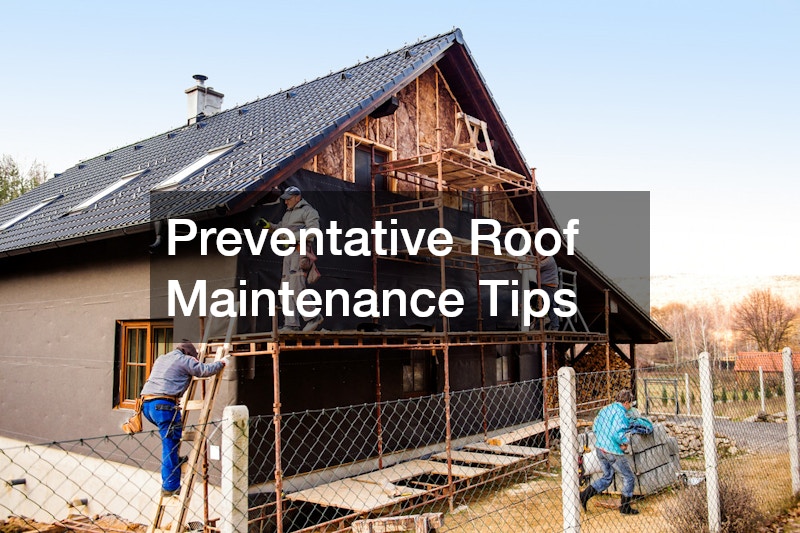
Preventative Roof Maintenance Tips
Homeowners can take several steps to protect their roofs between professional inspections. While roofing systems are built to withstand harsh weather and environmental exposure, regular care plays a major role in extending their lifespan. Small maintenance tasks completed throughout the year can prevent minor issues from turning into expensive repairs.
Preventative maintenance also allows homeowners to stay ahead of seasonal weather challenges. Rain, snow, wind, and heat all place stress on roofing materials over time. By maintaining the roof consistently, homeowners can reduce damage and improve overall performance.
Keep Gutters Clean
Clogged gutters can cause water to back up beneath roofing materials. When leaves, dirt, and debris accumulate in gutters, water cannot flow properly toward downspouts. Instead, it pools along the edges of the roof, increasing the likelihood of leaks and water intrusion.
Regular cleaning prevents water damage and improves drainage. Homeowners should inspect gutters several times each year, especially during the fall when leaves tend to collect quickly. In addition to cleaning the gutters themselves, it is also important to check downspouts to ensure water flows freely away from the foundation.
Proper drainage protects not only the roof but also the exterior siding, landscaping, and foundation of the home.
Trim Overhanging Tree Branches
Branches rubbing against the roof may damage shingles over time. Even light contact can gradually wear away protective materials and expose the roof to moisture. During storms or high winds, branches may break and fall, causing sudden structural damage.
Trimming trees near the roof helps prevent these risks. Ideally, branches should remain several feet away from the roof surface. This distance reduces the chances of debris accumulating on the roof and allows rainwater to flow freely toward gutters.
Tree maintenance also improves sunlight exposure, which helps roofing materials dry faster after rainfall. This reduces the chance of moss or algae growth that may weaken shingles.
Inspect the Attic
Checking the attic for signs of moisture, mold, or daylight entering through the roof can help detect leaks early. Because the attic sits directly beneath the roof structure, it often reveals warning signs before interior ceilings show visible damage.
Homeowners should occasionally inspect attic spaces for damp insulation, dark spots on wood surfaces, or unusual odors. These signs may indicate that moisture is entering the roofing system.
Ventilation also plays an important role in attic conditions. Proper airflow prevents heat and humidity from becoming trapped beneath the roof, which can damage shingles and reduce energy efficiency.
Maintaining a healthy attic environment helps protect the entire roofing system.
Look for Early Signs of Roof Damage
In addition to attic inspections, homeowners should occasionally examine the roof from the ground. While climbing onto the roof is not recommended without proper safety equipment, visual checks from a distance can still reveal early warning signs.
Homeowners may look for:
- Missing or curling shingles
- Dark patches indicating moisture buildup
- Shingle granules collecting in gutters
- Loose flashing around chimneys or vents
Identifying these issues early allows homeowners to schedule repairs before damage spreads to other parts of the roof.
Schedule Annual Inspections
Having professionals inspect the roof once or twice each year helps identify issues before they become serious problems. Roofing specialists are trained to detect hidden damage that homeowners may not notice during routine checks.
During an inspection, professionals may evaluate shingles, flashing, drainage systems, and attic ventilation. They can also provide recommendations for maintenance or repairs based on the condition of the roof.
Annual inspections are especially valuable after major storms. High winds, hail, and heavy rain can damage roofing materials without leaving obvious signs at first glance.
These preventative measures extend the lifespan of roofing materials and reduce long-term repair costs. With consistent maintenance and professional guidance, homeowners can avoid many common roofing problems and keep their roofs performing well for decades.
The Long-Term Value of a Well-Maintained Roof
A well-maintained roof provides several long-term benefits for homeowners. While roofing maintenance may seem like a routine responsibility, it plays a major role in protecting the entire property.
First, it protects the structure of the home. Water damage can weaken framing, insulation, and interior finishes. Once moisture enters a roofing system, it can spread through walls and ceilings, leading to mold growth and structural deterioration. A strong roof prevents these issues and keeps the interior of the home dry and secure.
Second, roofing maintenance helps maintain property value. Potential buyers often view roof condition as one of the most important aspects of a home inspection. A roof in good condition signals that the property has been properly maintained. On the other hand, visible roof damage may discourage buyers or lead to costly repair negotiations during a sale.
Third, energy efficiency improvements can lower monthly utility bills. Proper insulation and ventilation help maintain consistent indoor temperatures. When roofing systems function correctly, heating and cooling systems do not need to work as hard to regulate the home’s temperature. Over time, this can lead to noticeable energy savings.
Fourth, routine roof care can extend the lifespan of roofing materials. Most roofing systems are designed to last many years, but neglecting maintenance can shorten that lifespan significantly. Addressing small problems early helps prevent premature deterioration and delays the need for full roof replacement.
Finally, a well-maintained roof contributes to peace of mind. Homeowners can feel confident that their property remains protected from the elements. Knowing that the roof is strong and secure allows families to focus on enjoying their homes without worrying about unexpected leaks or storm damage.
In many ways, the roof serves as the home’s first line of defense against the outside environment. With proper care and attention, it continues protecting the home, the people inside, and the investment homeowners have made in their property.
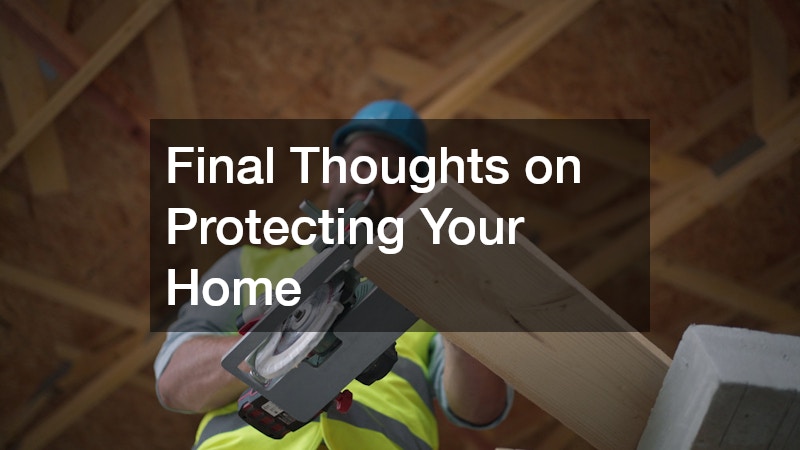
Final Thoughts on Protecting Your Home
Roofing systems are essential to the safety and stability of every home. While they often go unnoticed when functioning properly, their importance becomes clear when damage occurs.
By understanding common roofing problems, scheduling regular inspections, and working with experienced professionals, homeowners can extend the life of their roofs and avoid costly repairs.
Whether addressing minor damage, upgrading roofing materials, or planning a full replacement, professional guidance helps ensure that every roofing project is completed correctly.
With the right maintenance and attention, your roof can continue protecting your home, your family, and everything inside for many years to come.